PPWR Reuse Targets: 2030 & 2040 Rules by Sector
PPWR Reuse and Refill Targets: The 2030 and 2040 Trajectory by Sector
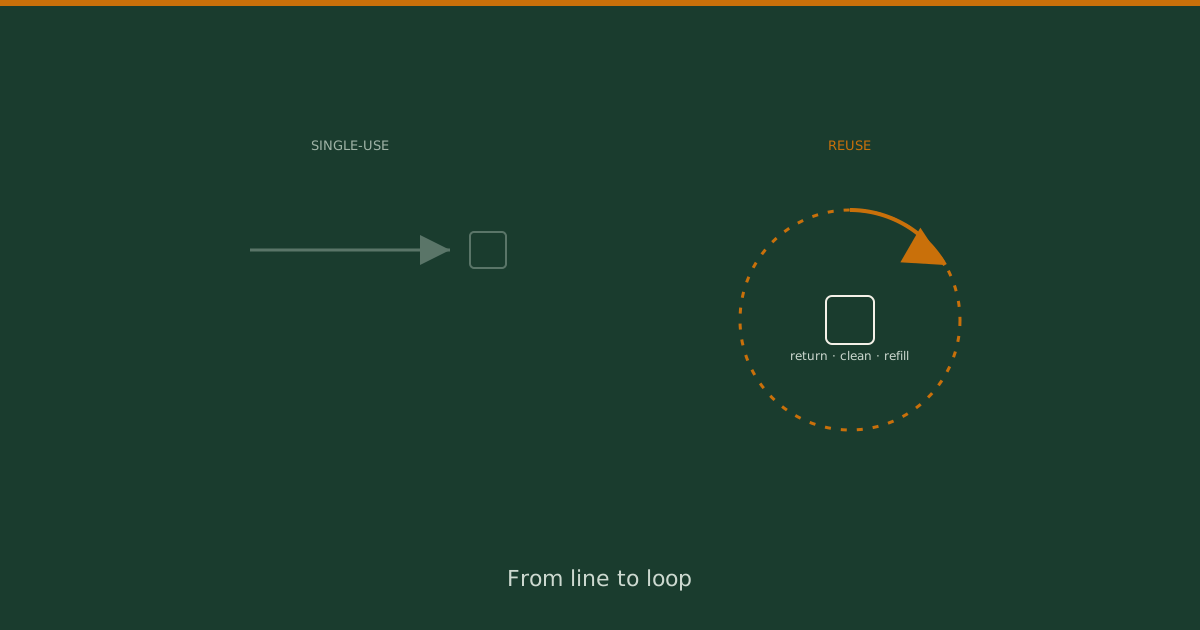
Most PPWR requirements change the pack. Reuse changes the system around it. PPWR reusable packaging targets ask producers in specific sectors to put a growing share of their packaging into reusable or refillable formats, which means deposit, return, cleaning, and redistribution logistics, not just a different material choice. Under Regulation (EU) 2025/40, those targets ramp from an interim level around 2030 to a higher level by 2040, set per sector.
Two things make reuse easy to get wrong. First, reuse and refill are distinct compliance routes that producers routinely conflate. Second, the targets are sector-specific, so a beverage producer, an e-commerce shipper, and a takeaway operator each face a different obligation. This guide separates reuse from refill, maps the targets by sector, sets out the HORECA and takeaway case, and notes who is eased or exempt. A note before the figures: the exact article numbering, percentages, and dates for reuse are tied to the consolidated regulation and its delegated acts, so treat the specific numbers here as the planning frame and verify them against EUR-Lex before citing them in a compliance document.
In this guide:
- Reuse vs refill, the two distinct routes
- How PPWR sets reuse targets as a share by sector
- The targets by sector, from beverages to transport packaging
- The HORECA and takeaway bring-your-own case
- Who is exempt or eased
- 6-entry FAQ covering targets, sectors, timing, and small businesses
Reuse vs Refill
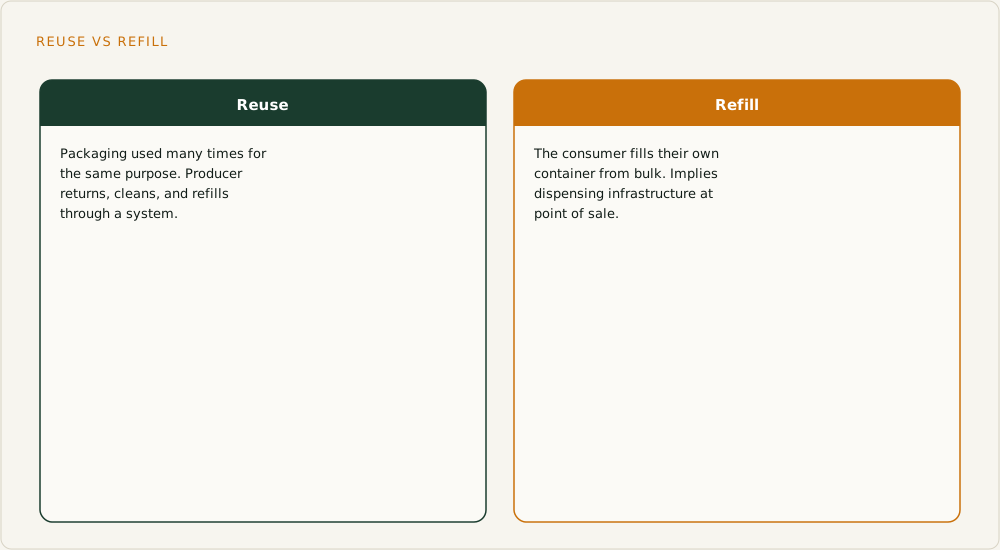
Under PPWR, reuse means packaging designed and put into a system to be used multiple times for the same purpose, returned, cleaned, and refilled by the producer or operator. Refill means the end user fills their own container from bulk. Both reduce single-use packaging, but they are different compliance routes with different systems behind them.
| Reuse | Refill | |
|---|---|---|
| Definition | Packaging used many times for the same purpose | End user fills their own container |
| Who refills | Producer or operator (return system) | The consumer |
| System needed | Deposit, return, cleaning, redistribution | Bulk dispensing at point of sale |
| Example | Returnable beverage crates and bottles | Refill station for detergent or grains |
The distinction matters because the two satisfy obligations differently and cost differently. Reuse is a logistics system the producer runs; refill shifts the act to the consumer at the point of sale. A sector target met through reuse implies return infrastructure; met through refill, it implies dispensing infrastructure.
How PPWR Sets Reuse Targets
PPWR expresses reuse obligations as a minimum share of a sector's packaging that must be in reusable format by a reference year. Rather than banning single-use outright, it sets a floor for the reusable share and raises that floor over time. The trajectory runs in two main steps: an interim target around 2030 and a higher target by 2040, with the obligations resting on economic operators within scope and overseen at Member State level.
The exact percentages and the precise reference years are set in the consolidated regulation and, for some sectors, in delegated acts. The structure is stable, a rising reusable share by sector across two horizons, but the figures are the detail to confirm, which is why this guide refreshes quarterly and flags the numbers rather than asserting them as final.
Targets by Sector
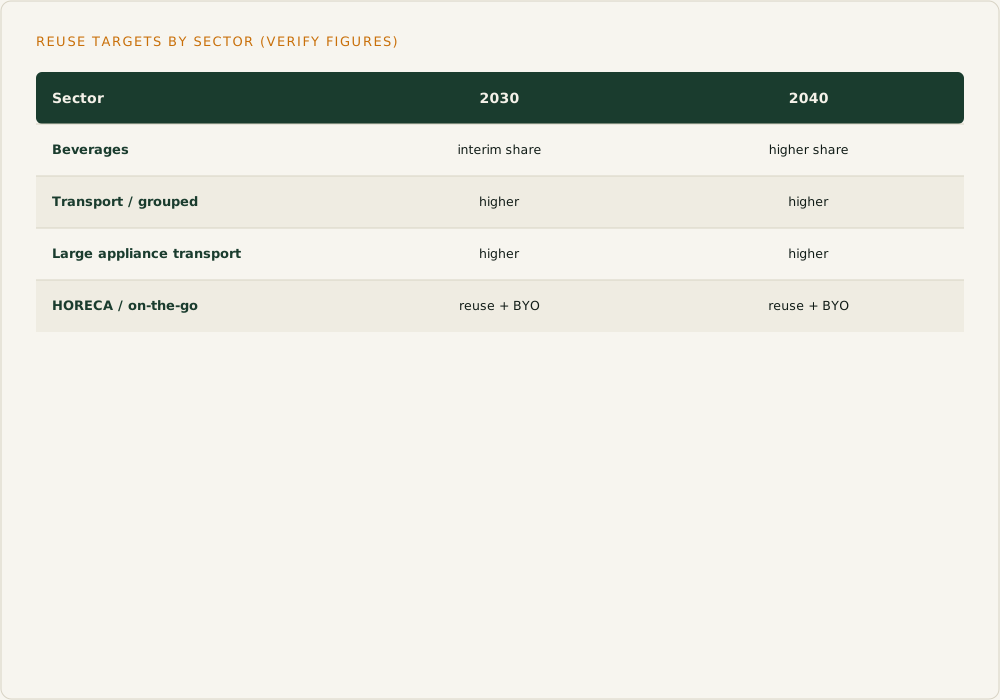
Reuse targets land differently by sector. The headline categories to plan around, with figures to verify against the regulation, are:
- Beverages. A reusable share for beverage packaging, with certain beverage categories treated separately or exempt where reuse raises safety or hygiene issues. Interim share by 2030, higher by 2040.
- Transport and grouped packaging. Pallets, crates, and the grouped packaging used in e-commerce and distribution carry a notably higher reuse expectation, because closed B2B loops make return systems practical.
- Large household appliances transport packaging. The packaging protecting large appliances in transit is a strong reuse candidate for the same closed-loop reason.
- HORECA and on-the-go. Takeaway food and drink packaging carries reuse and bring-your-own provisions, addressed below.
The pattern is consistent: the more closed and controlled the distribution loop, the higher the reuse expectation, because return logistics are feasible. Open consumer loops are where refill and exemptions feature more. These reuse-share targets sit alongside, but are separate from, the overall waste reduction targets, which cut total packaging per capita rather than mandating a reusable share.
The HORECA and Takeaway Case
Hospitality and takeaway is the sector consumers notice most, because it touches the point of sale directly. PPWR's reuse direction here combines operator reuse systems for on-the-go food and drink with consumer rights to bring their own container. The practical consequence for an operator is a return-and-cleaning system for reusable cups and containers, or a compliant bring-your-own process, rather than a default single-use cup for every order.
The indicative dates and the precise scope of the HORECA provisions should be verified against the consolidated text, because this is an area where implementation detail matters and is still settling. The operational reality is the planning point: reuse in HORECA means deposit handling, return points, hygiene-compliant cleaning, and the logistics to move reusable items back into circulation.
Who Is Exempt or Eased
Reuse obligations are not uniform. The regulation provides easing for micro-enterprises and, in places, for SMEs, and it treats certain product categories differently where safety, hygiene, or product integrity make reuse impractical. Some beverage categories, for example, may be exempt where reuse raises contamination risk.
If you are a smaller operator, check the micro-enterprise and SME provisions before assuming a sector target applies in full; the PPWR for SMEs guide covers the eased path. The general principle is that reuse targets bite hardest where a closed loop and a viable return system exist, and ease where they do not.
What to Do Now
Three moves turn the reuse trajectory into a plan. Map which of your SKUs fall into reuse-target sectors, because the obligation is sector-specific and not every line is in scope. Model the reusable-share ramp from 2030 to 2040 for those SKUs, so the system investment is phased rather than sudden. And cost the system honestly, because reuse is deposit, return, and cleaning logistics, not a material swap.
Frequently Asked Questions
What are the PPWR reuse targets?
PPWR sets minimum shares of a sector's packaging that must be reusable, ramping from an interim level around 2030 to a higher level by 2040. The targets are sector-specific. The exact percentages and reference years are set in the regulation and delegated acts, so verify them against Regulation (EU) 2025/40 for your sector.
What is the difference between reuse and refill?
Reuse means packaging used many times for the same purpose, returned and refilled by the producer or operator through a system. Refill means the consumer fills their own container from bulk. Both cut single-use packaging, but reuse implies a return system while refill implies dispensing infrastructure.
Which sectors have PPWR reuse targets?
The main categories are beverages, transport and grouped packaging (including e-commerce distribution and pallets/crates), large household appliance transport packaging, and HORECA or on-the-go food and drink. Closed B2B loops carry higher reuse expectations than open consumer loops.
When do PPWR reuse targets start?
The trajectory runs in two main steps: an interim target around 2030 and a higher target by 2040. Treat these as the planning frame and confirm the exact reference years for your sector against the consolidated regulation, as some are set by delegated acts.
Does PPWR cover transport packaging reuse?
Yes, and transport and grouped packaging carries some of the higher reuse expectations, because pallets, crates, and distribution packaging move in closed B2B loops where return systems are practical. Large appliance transport packaging is a strong reuse candidate for the same reason.
Are small businesses exempt from reuse targets?
The regulation eases obligations for micro-enterprises and, in places, SMEs, and exempts certain categories on safety or hygiene grounds. Smaller operators should check the micro-enterprise and SME provisions before assuming a sector target applies in full.
Conclusion
Reuse is the PPWR mechanism that reshapes the packaging system rather than the pack. The targets are sector-specific, set as a rising reusable share from 2030 to 2040, and met through either a producer-run reuse system or consumer refill, two distinct routes with different logistics.
The work now is exposure mapping. Identify which SKUs sit in reuse-target sectors, model the share trajectory across the two horizons, and cost the return, cleaning, and redistribution system reuse actually requires. Done early, it is a phased investment; done late, it is a scramble.
Carbonorm tags each SKU's sector and format so reuse exposure is visible across your portfolio. Start Audit and see which of your lines the reuse targets actually reach.